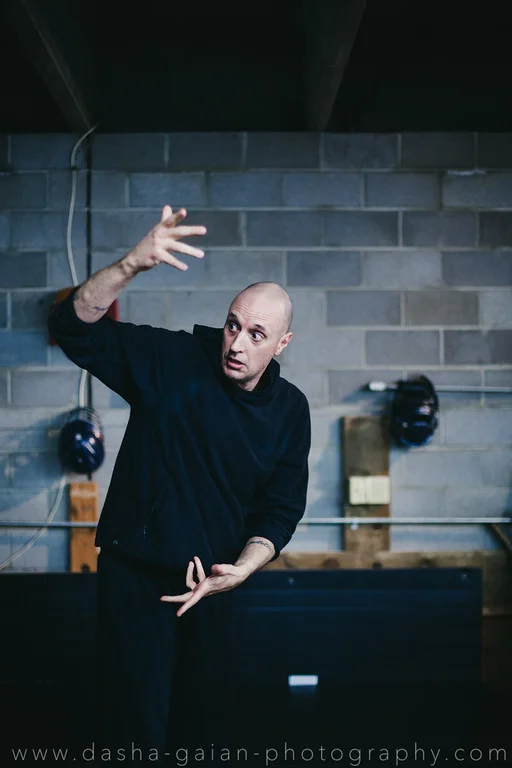
What are Muscles For?

What are Muscles For?

What are muscles for? And what do they actually do? Let's dispense with the conventional explanation first. Muscles are for strength. Perhaps, but that explanation isn't useful. We don't really need more strength. Okay, everyone can invent a situation where more strength would be handy, but for every situation we can also invent a work-around or a way to adapt without increasing strength. I'm not anti-strength here, we should all try to make each other stronger, smarter, richer and better looking.  I'm just saying it isn't a need. Being normal isn't a deficiency. Anyway, strength is relative. If you are doing athletic competition against people in your weight class, in most situations more muscle mass is an advantage. But that is a small part of the martial arts world. And to the contrary, it is the minimum promise of most martial arts classes that skill and training can confer more advantage than strength alone.

So if muscles aren't for strength what are they? What do they do? 

Read More

Unconscious Re-Balancing

Unconscious Re-Balancing

We are capable of both conscious rebalancing and unconscious rebalancing. To stand on two feet requires constant rebalancing. In fighting, I always want to be doing at least these four things: targeting vulnerable areas, improving my position, compromising my opponent's structure, and unbalancing my opponent. Meanwhile, I want to keep my opponent rebalancing unconsciously.

Read More

Anti-Fajin

Anti-Fajin

Why am I so anti-fajin?

Fajin is defined here as shoving, but it is using magic tricks to shove, so we might call it competitive-deceptive shoving, or technically-superior shoving.

If you do it entirely without uprooting it is just a tackle, it's physics, mass times velocity squared (MV2). Nothing wrong with that.

If you shove someone from behind by surprise, most people will stumble a few feet and recover. This is an amazing phenomena. Why is this? Why are humans so incredibly good at instantly regaining balance?

Read More

Meanings of Jing 精

Meanings of Jing 精

Jing is such a key concept in Chinese martial arts, theater, meditation and religion. I just thought, for fun, I'd post Google Translates instant correlations. 

32 Translations of jing 精

adjective

  • fine 精细, 细, 精, 优良, 精美, 良好
  • refined 精制, 精, 优雅, 文雅, 优美, 彬
  • precise 精确, 准确, 确切, 精, 过份周到的, 过份注意的
Read More

Wind and Water Force

Wind and Water Force

Over the last few years I have been harping on about how rooting is a mistake in martial arts. A mistake I might add that dancers never make. Which is why dance is such a great way to learn about power in the martial arts. This is one of the benefits of thinking about martial arts as performing arts. 

In the Chinese theater tradition, the internal martial arts have been on the stage for at least six hundred years. This martial prowess of enlightenment is called jindan, or neidan, or liandan. In the theater sometimes it comes from taking a pill. But just as often it comes from retreat into a mountain or a cave for years of meditation. It is like a montage in an action movie when they have to train-up the hero quickly. 

Read More

Bend the Bow & Shoot the Arrow

Bend the Bow & Shoot the Arrow

Most martial arts at some point get deep into the idea of increasing power. The problem with that is most martial artists delude themselves because they do not have an adrenalized high-risk-of-injury place to test out their practice. When I've worked with people who had an opportunity to test their power four nights a week breaking down doors, they only used the amount of force necessary and it is usually less than a martial artist who is only imagining the usage. Even great martial arts, who perfectly understand how power works, tend to over-power.  

That is just a prelude to a misunderstood metaphor which is very common in Chinese martial arts circles. The metaphor is that of a bow shooting an arrow.

Read More