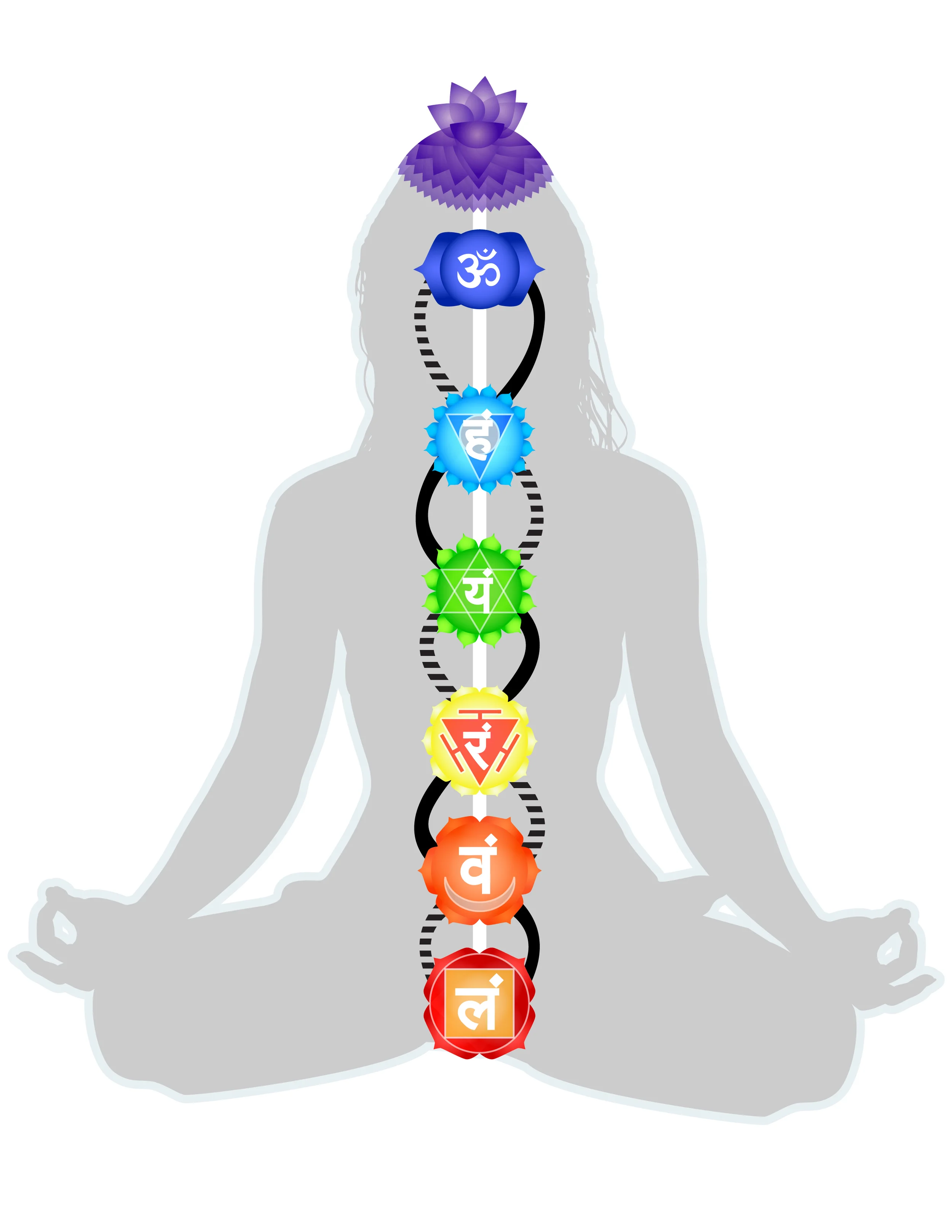
Chakras

Chakras

This is a good read on Chakras from Tanrikstudies.org.  While the author doesn't go beyond Sanskrit texts, the back and forth between China and India between the 6th and 10th Centuries was vigorous.  Thus, it is not surprising that these ideas about a visualized and somaticized inner body transcending time and space would show up and develop at that time in both places with a huge variety of characteristics.  I might also point out that the so-called "emotions" he refers too could also be thought of as theatrical expressions of mood in the South Asian context.  That is, solo ritual expressions of mood were, like deity visualizations, connected to theater and dance as pervasive cultural narrative.   This post is just a teaser for my next big post on Monday...Oprah and Synesthesia.   

Read More
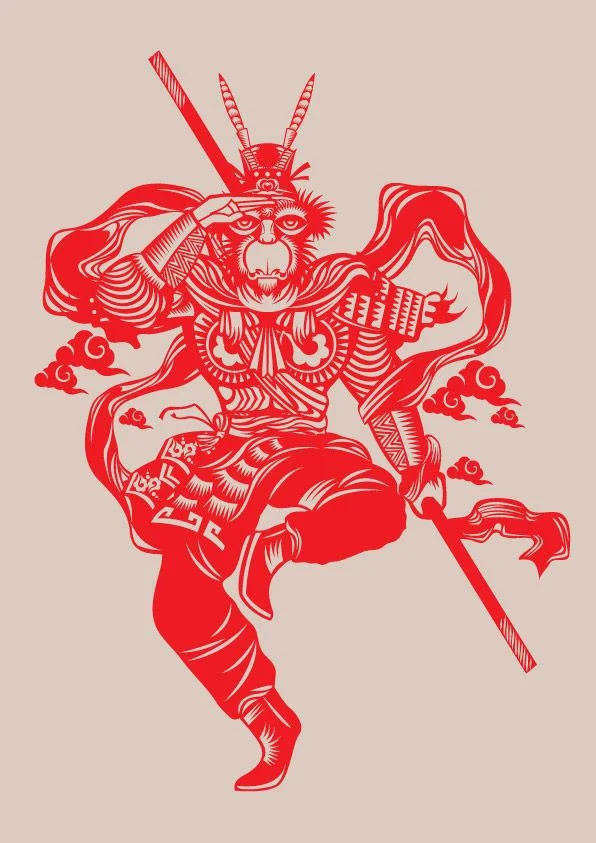
HAPPY YEAR OF THE FIRE MONKEY

HAPPY YEAR OF THE FIRE MONKEY

I've been reading Daoism in the Twentieth Century, Between Eternity and Modernityby David A. Palmer and Xun Liu.  It is excellent and deserves a full review in the coming weeks.  For today I have a juicy quote from the introduction which is by Kristofer Schipper:

The linkage between communities that are established and reinforced through the institution of fengxiang[carrying incense ashes from one temple to another creating a network] are important, and many historical networks such as the Mazu temples of maritime merchants are clearly linked to China's commercial expansion.  But the economic role of temples was not limited to this function only

Read More

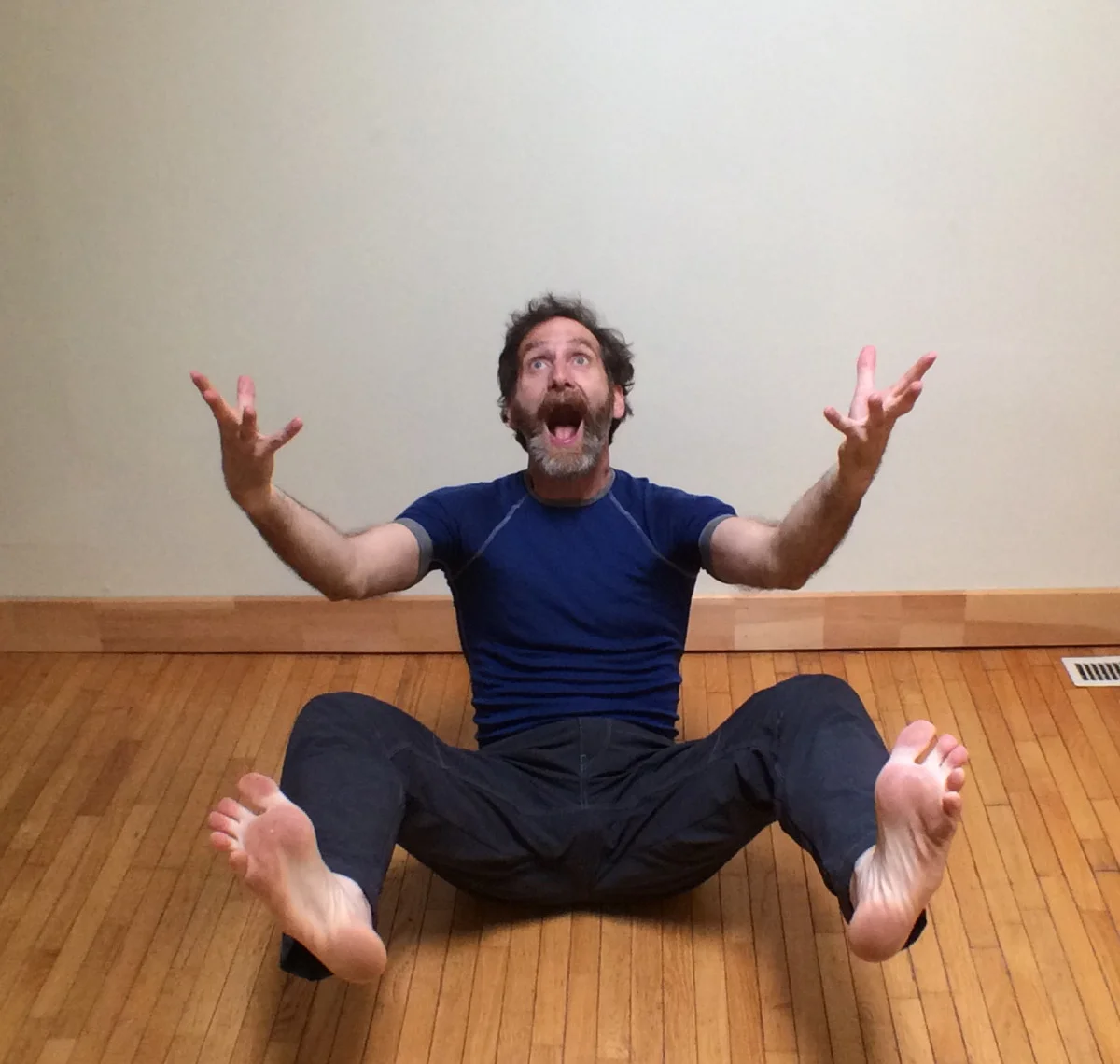
Daoyin Reimagined: A Comparison of Three Embodied Traditions

Daoyin Reimagined: A Comparison of Three Embodied Traditions

I am happy to announce the publication of the Journal of Daoist Studies volume 9 (2016), available at Three Pines Press.  It is $25 for the paper book and $15 for the digital book.  

Oh, and my article Daoyin Reimagined: A Comparison of Three Embodied Traditions, co-written with Daniel Mroz, is in it!

Read More

Martial Arts Social Movements

A new (composite) thought about martial arts social movements.

There are three types of martial arts social movements.  For the sake of neat categories we will call them Nationalist, Universalist, and Trader.  I will explain each in turn.  Each type of social movement contains a unique value system and has identifying characteristics that can allow us to understand most of the conflicts that happen between them.  

Read More

Into the Badlands and Flaying

Into the Badlands and Flaying

I've been watching the new AMC show Into the Badlands.  I came across this article explaining how choreographer Dee Dee Ku works.  He gave all the actors a crash course in martial arts, six hours a day for six weeks.  During that period he had everyone doing wire-work and acrobatics too.  He then started to choreograph for each actor based on their strengths and talents.  

The article explains that it would be a disaster if the show was just martial arts with bad acting, and equally bad if it was just good acting with terrible martial arts.  I wonder if it is occurring to anyone else that if you want to be in the movies these days, both acting and martial arts are a requirement. 

Read More

San Francisco Trip

Teaching Circus Daoyin

We did three hours of intense animal Daoyin.  It was good.  People got so tired they naturally returned to stillness.  Which is the point ofDaoyin, to discover and feel the spontaneous pull between movement and stillness.  In that pull our form becomes pliable because it is freed from our story.  And our story is freed from the limitation of our form.  The movement is designed to push both sorts of boundaries.  This type of class is a very positive experience for most people.  It fully integrates strength, flexibility, body re-orientation, and locomotion.

Read More